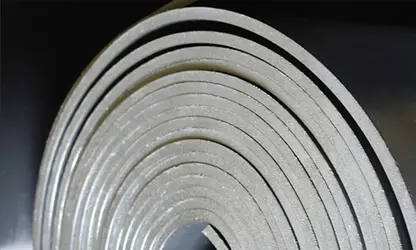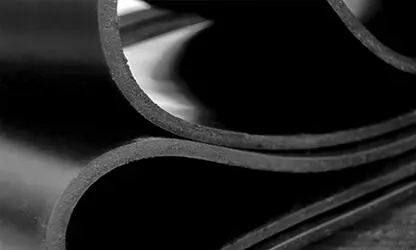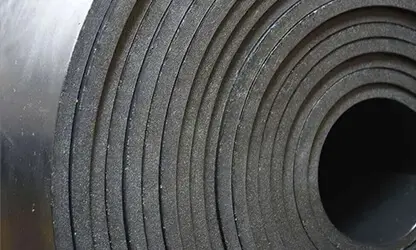
EPDM Rubber
EPDM rubber with superior weather, ozone, and severe environmental resistance.
Explore RubberThe dielectric EPDM you need for seals, gaskets, and electrical insulation in outdoor applications. 10 kV/mm dielectric strength, ozone resistance, and temperature range -20°C to 145°C. ASTM certified. Get a quote in 24 hrs!
Looking for a material that combines excellent dielectric properties with weather resistance? Dielectric EPDM is the solution you need. This synthetic elastomer, also known as dielectric EPDM rubber, is recognized for its exceptional dielectric properties and superior weather resistance, ozone resistance, and resistance to severe environmental conditions.
With a minimum dielectric strength of 10 kV/mm and a wide operating temperature range of -20°C to 145°C, dielectric EPDM is ideal for electrical applications, outdoor sealing, and components exposed to extreme weather conditions. Its ozone resistance and UV resistance make it the preferred material for window gaskets, perimeter seals, and substation insulation.
Available in rolls and sheets of dielectric EPDM with ASTM certification. Need an insulating material for outdoor applications? Keep reading to discover all the advantages of our dielectric EPDM.
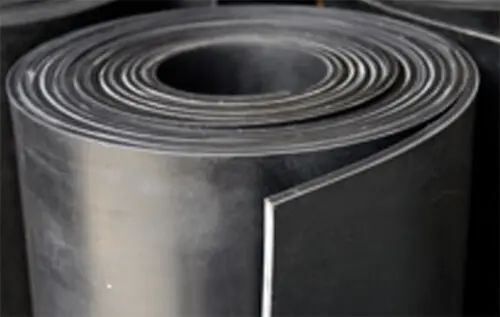
Dielectric EPDM stands out for its unique properties for electrical and outdoor applications, offering superior performance in seals, gaskets, and electrical insulation:
These properties make dielectric EPDM an indispensable material in electrical applications, automotive, construction, and any environment requiring resistance to severe environmental conditions and electrical insulation.
Technical specifications of dielectric EPDM 10 kV/mm for electrical insulation and outdoor applications
| PARAMETERS | METHOD | SPECIFICATIONS |
|---|---|---|
| SHORE A HARDNESS | ASTM-D2240 | 60 - 65 |
| TENSILE STRENGTH, psi | ASTM-D412 | 1050 MINIMUM |
| ELONGATION, % | ASTM-D412 | 525 MINIMUM |
| TEAR RESISTANCE, KN/m | ASTM-D624 | 20 MINIMUM |
| TEMPERATURE RANGE, °C | ASTM-D573 | -20 TO 145 |
| WEATHER RESISTANCE | - | EXCELLENT |
| ACOUSTIC INSULATION | - | VERY GOOD |
| VIBRATION ABSORPTION | - | VERY GOOD |
| IMPACT ABSORPTION | - | VERY GOOD |
| DIELECTRIC STRENGTH | - | 10 kV/mm MINIMUM |
| SUBSTANCES | METHOD | SPECIFICATIONS |
|---|---|---|
| OZONE RESISTANCE | ASTM-D1149 | NO CRACKS |
| CHEMICAL RESISTANCE | ASTM-D471 | GOOD |
| ACID AND ALKALI RESISTANCE | ASTM-D471 | GOOD |
| ALCOHOL RESISTANCE | ASTM-D471 | EXCELLENT |
Dielectric EPDM with 10 kV/mm dielectric strength is ideal for electrical insulation in substations, seals and gaskets in outdoor applications, and automotive components exposed to severe weather conditions. Complies with ASTM standards for maximum reliability.
Discover the sectors where dielectric EPDM is essential for electrical insulation and weather resistance
Dielectric EPDM is ideal for insulators, transformer seals, substation components, and electrical distribution equipment. Its 10 kV/mm dielectric strength ensures reliable insulation in high-voltage applications.
Dielectric EPDM is the preferred choice for window seals, door gaskets, air conditioning system components, and exterior parts. Its ozone resistance and weather resistance ensure durability in automotive applications.
Dielectric EPDM is used in window and door gaskets, perimeter seals, roofing membranes, and waterproofing systems. Its resistance to extreme weather conditions makes it the preferred material for outdoor applications.
Dielectric EPDM is also used in the railway sector for track insulation, in renewable energy for solar panel seals, in the marine industry for weather-resistant components, and in appliances for door gaskets. Its versatility, weather resistance, and dielectric properties make it the preferred material for applications where durability and electrical safety are priorities.
Advantages that make dielectric EPDM the best choice for electrical insulation and outdoor applications
Dielectric EPDM offers a minimum dielectric strength of 10 kV/mm, ensuring reliable electrical insulation in substations, transformers, and electrical distribution equipment.
Excellent performance against ozone, UV light, rain, and extreme weather conditions, ideal for outdoor applications and construction.
Operates efficiently from -20°C to 145°C, maintaining its dielectric properties and mechanical performance in extreme conditions.
With 525% minimum elongation, dielectric EPDM offers excellent flexibility and deformation capability, ideal for seals and gaskets in dynamic applications.
Excellent vibration damping and impact absorption, protecting equipment and structures in electrical and automotive applications.
Good performance with chemicals, acids, alkalis, and excellent with alcohols, ideal for industrial environments.
Dielectric EPDM from Everest Group combines 10 kV/mm dielectric strength, superior weather resistance, and thermal stability to deliver exceptional performance in substations, window seals, expansion joints, and electrical insulation. ASTM certified, it guarantees safety, durability, and reliability in the most demanding applications.
Performance comparison in outdoor, electrical, and insulation applications
Ideal for: Outdoor, electrical insulation, seals, and gaskets in construction and automotive applications.
Ideal for: High-temperature, medical, and food-grade applications.
Ideal for: General applications and moderate oil resistance.
Why choose Dielectric EPDM? If your application requires excellent dielectric properties and superior weather resistance at a moderate cost, dielectric EPDM is the best choice. It surpasses neoprene in ozone resistance and silicone in cost, offering an exceptional balance for outdoor applications, seals, gaskets, and electrical insulation. At Everest Group, we advise you to choose the right material for your project. Contact us.
At Everest Group, we have the solution you are looking for. From dielectric EPDM in rolls and sheets to custom seals and gaskets. 10 kV/mm dielectric strength, weather and ozone resistance. ASTM certified. Get a quote in 24 hrs!
Do you have questions about dielectric EPDM? At Everest Group, we have compiled the most common questions and their answers for you. Just select a question and you will see the answer immediately.
Dielectric EPDM (Ethylene Propylene Diene Monomer) is a synthetic elastomer with excellent dielectric properties and superior weather resistance. It is primarily used in electrical applications for insulation, transformer seals, substation components, as well as seals and gaskets for construction and automotive where resistance to ozone, UV, and extreme weather conditions is required.
Everest Group's dielectric EPDM has a minimum dielectric strength of 10 kV/mm, meaning it can withstand up to 10,000 volts per millimeter of thickness without electrical current passing through. This makes it ideal for electrical insulation applications in substations, transformers, and distribution equipment.
The main difference between dielectric EPDM and standard dielectric rubber (typically neoprene) lies in their weather resistance and temperature range. EPDM offers superior ozone and UV resistance with a temperature range of -20°C to 145°C, while conventional dielectric rubber (neoprene) has lower ozone resistance and a temperature range of -20°C to 90°C. Dielectric EPDM is the preferred choice for outdoor applications and severe weather conditions.
Dielectric EPDM is available in rolls and sheets in different thicknesses and sizes to suit each project's needs. We also offer custom cutting and custom seal and gasket fabrication. To learn about available options and receive a personalized quote, we invite you to contact us.
Yes, absolutely. Dielectric EPDM is known for its superior ozone and weather resistance. Per ASTM D1149, it shows no cracks after 72 hours of exposure to 200 PPCM ozone at 40°C. It also resists UV rays, rain, and temperature changes, maintaining its dielectric properties and mechanical performance in outdoor applications.
Yes. Everest Group ships dielectric EPDM in rolls and sheets throughout the United States, Canada, Mexico, Central America, and Spain. Delivery time depends on location and product availability. Contact us for shipping times and costs to your location.
EPDM rubber with superior weather, ozone, and severe environmental resistance.
Explore RubberDielectric rubber with 10kV/mm for high-voltage insulation and substations.
Explore Rubber